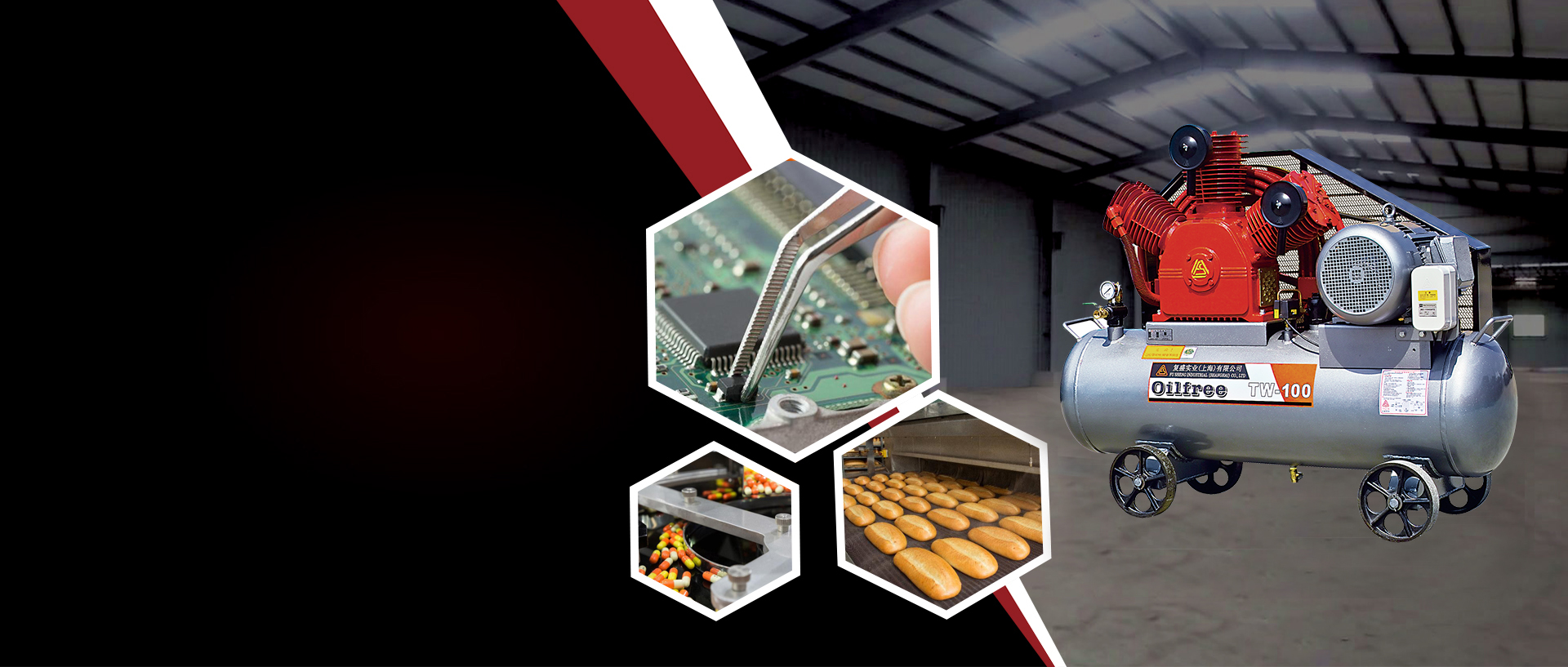
TW Series Oil-Free Reciprocating Air Compressors
TW Series
The TW series air-cooled oil-free reciprocating air compressor uses an oi…
Working pressure 0.8~1.0 MPa, air…

3 products in this category
The TW series air-cooled oil-free reciprocating air compressor uses an oi…
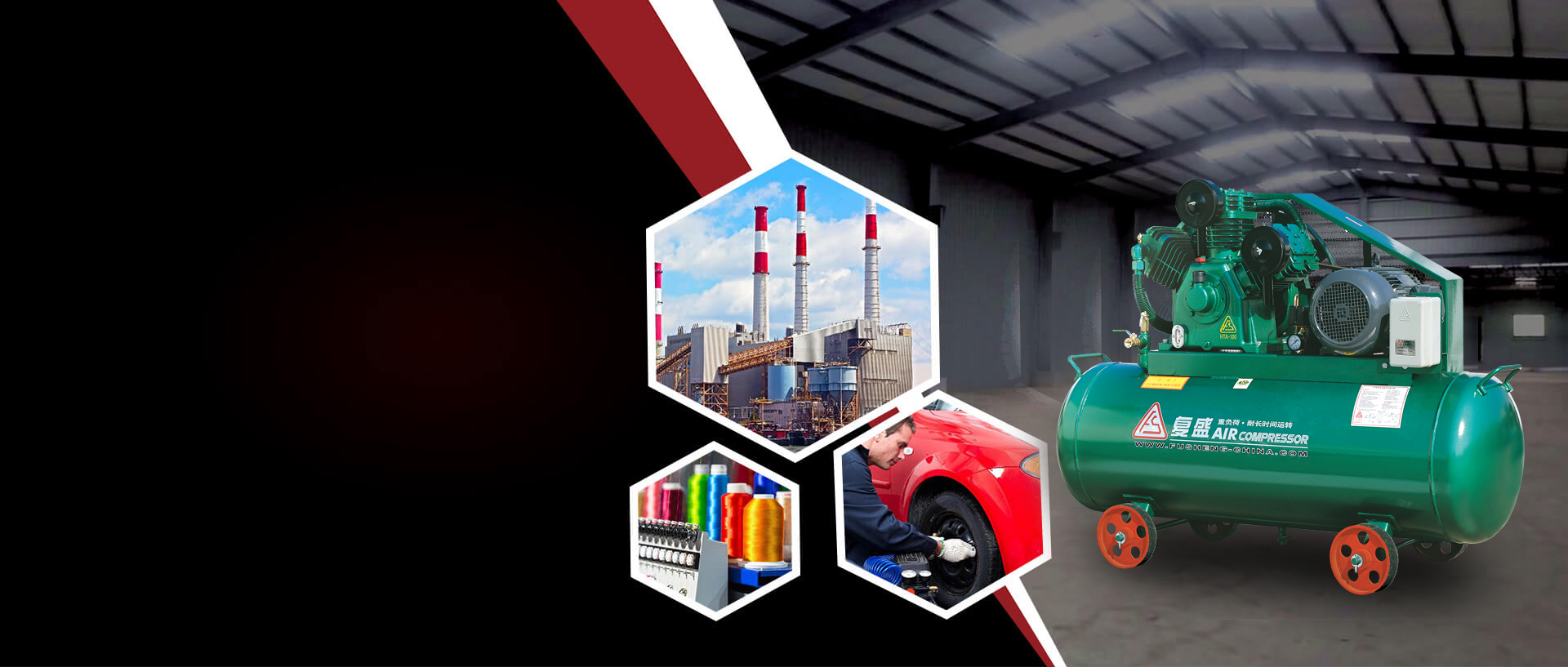
The Fusheng A Series piston air compressor is a market leader and an indu…
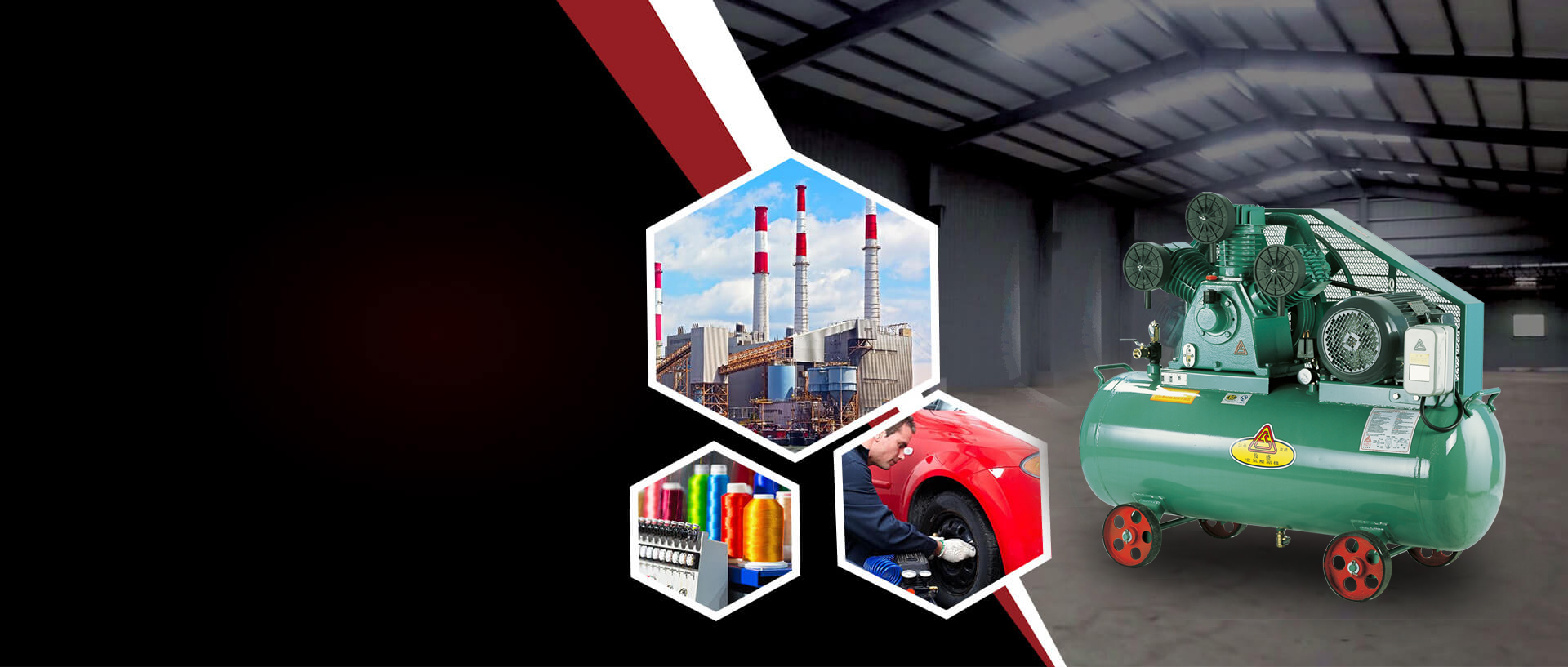
The Fusheng FG series piston air compressor is an economical model widely…
Not every workshop needs centralized air supply. Applications such as auto repair, small machining and painting work use little air, yet demand a tough machine with frequent start-stop and simple maintenance. Fusheng offers 3 small piston air compressors — A, FG and TW — with power of 0.55–26 kW and air delivery of 0.06–3.0 m³/min.
| Series | Working pressure | Air delivery | Power | Features |
|---|---|---|---|---|
| A Series | 0.8–1.25 MPa | 0.08–3.0 m³/min | 0.75–22 kW | Large pump head, can run 24 hours continuously |
| FG Series | 0.8 MPa | 0.06–1.5 m³/min | 0.55–11 kW | Economical model, air-cooled and easy to install |
| TW Series | 0.8–1.0 MPa | 0.22–3.0 m³/min | 2.2–26 kW | Reciprocating oil-free, oil-free crankcase design |
The three small piston machines each hold their own niche: the A handles continuous operation, the FG leads on economy and the TW delivers oil-free cleanliness. Where air demand is small, a simple piston machine is often more cost-effective than a screw machine.