Low-temperature freezing is the most demanding part of refrigeration. The lower the evaporating temperature, the greater the pressure ratio of single-stage compression, and the discharge temperature rises accordingly, reducing efficiency and reliability and, in severe cases, affecting lubrication and motor life. The traditional industry solution is a two-stage compression system, but with two compressors, an intercooler, oil circuits and control systems all separate, it brings a bulky unit, complex piping and higher control costs.
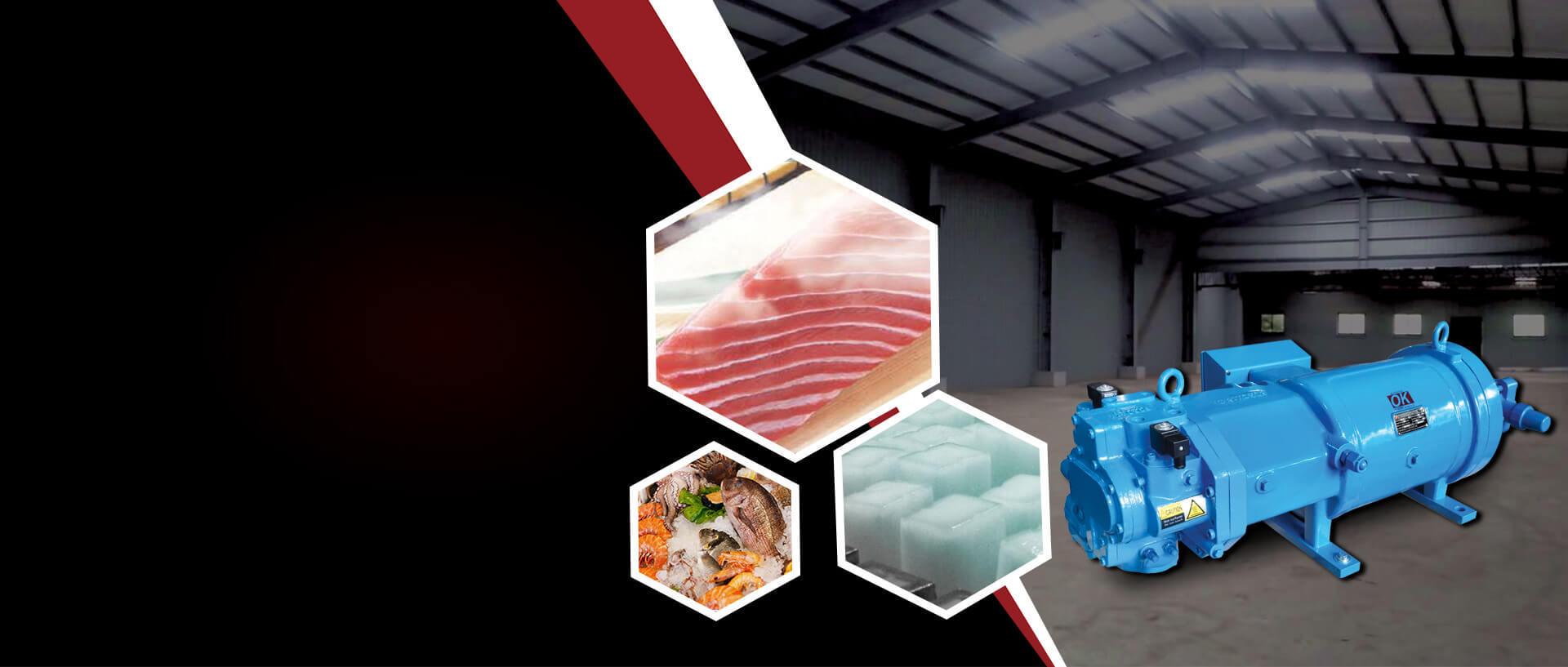
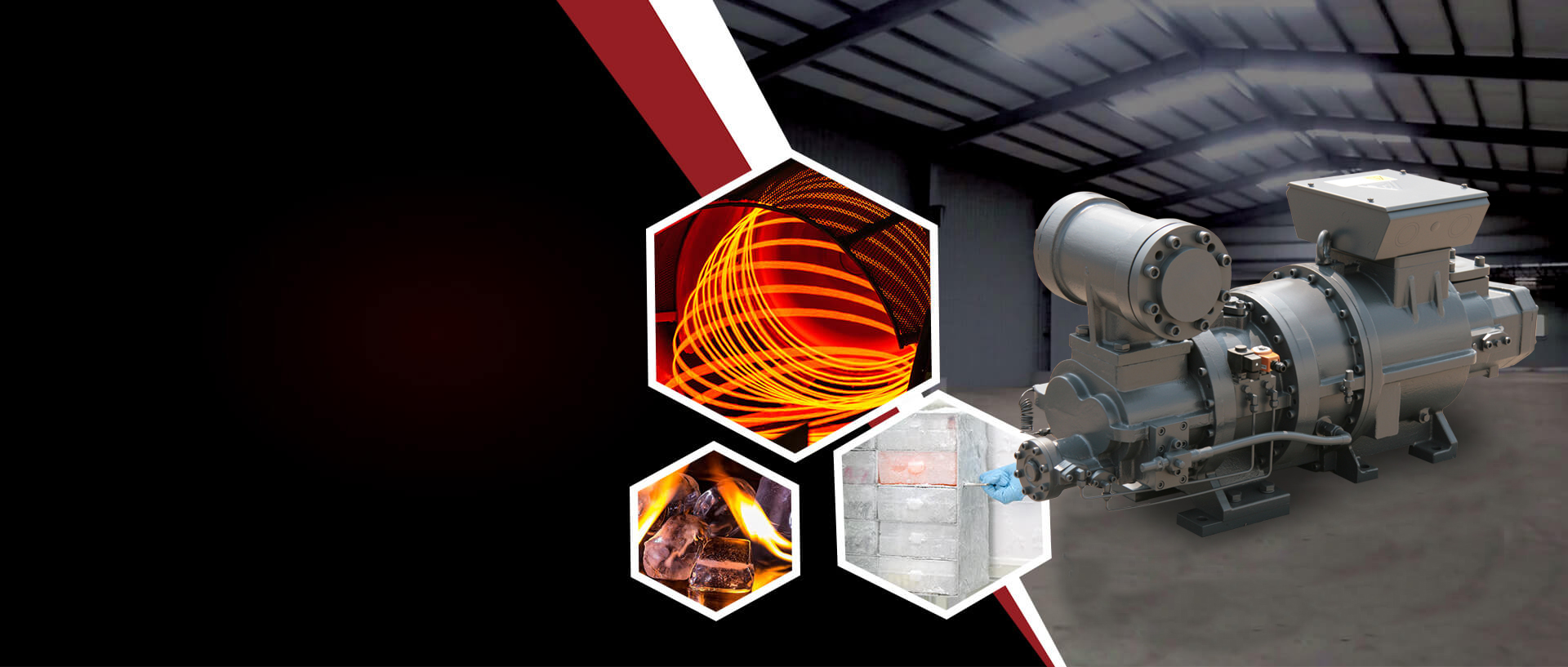
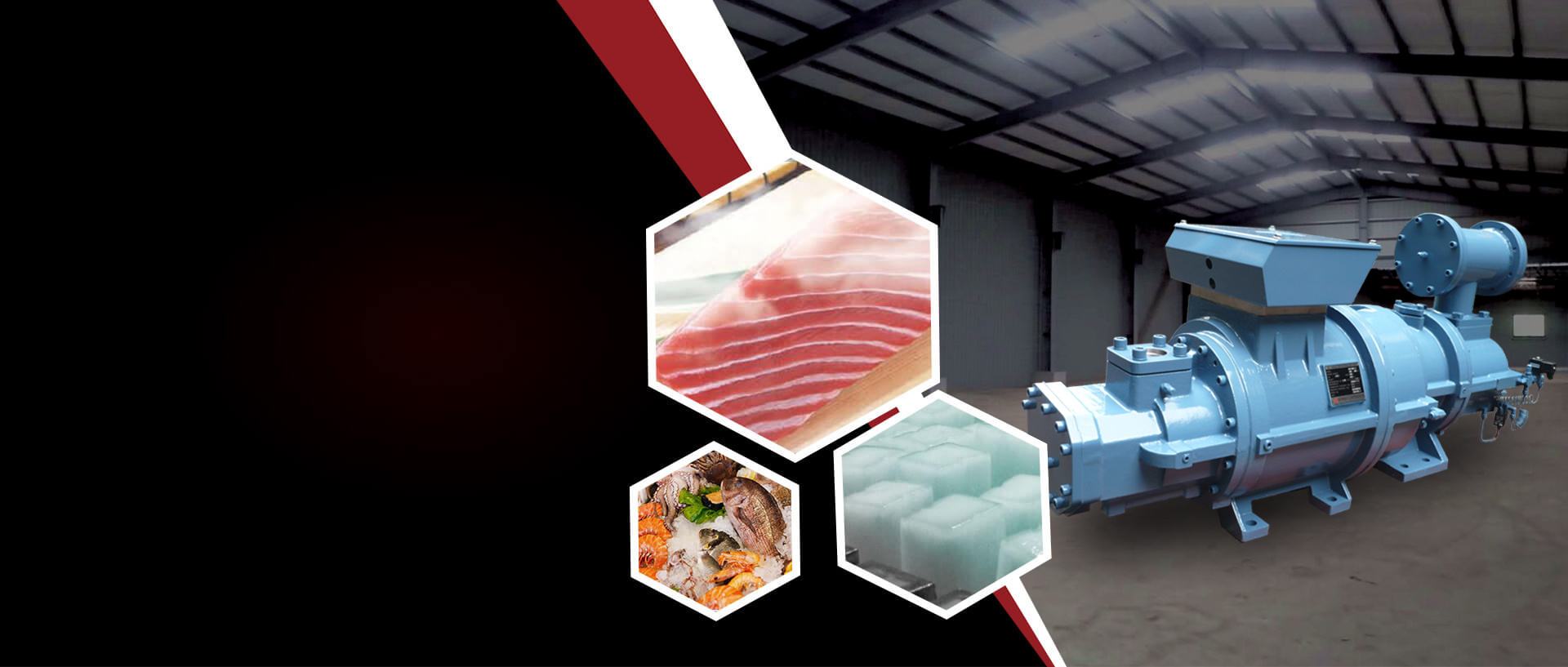
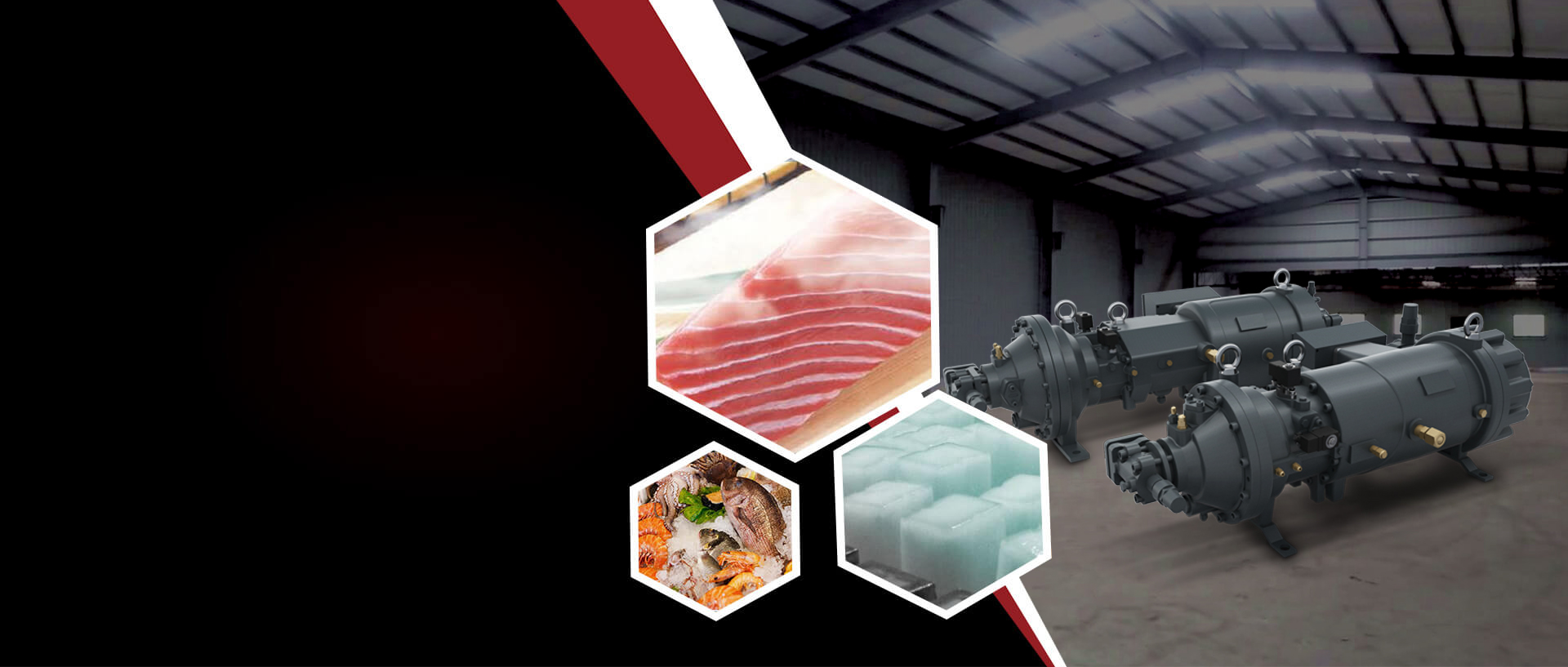
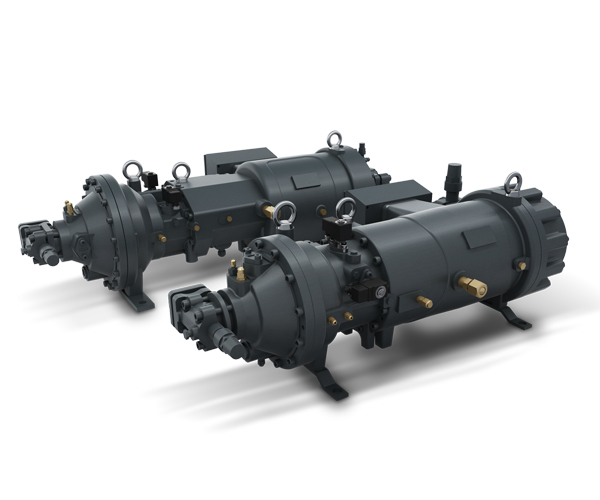
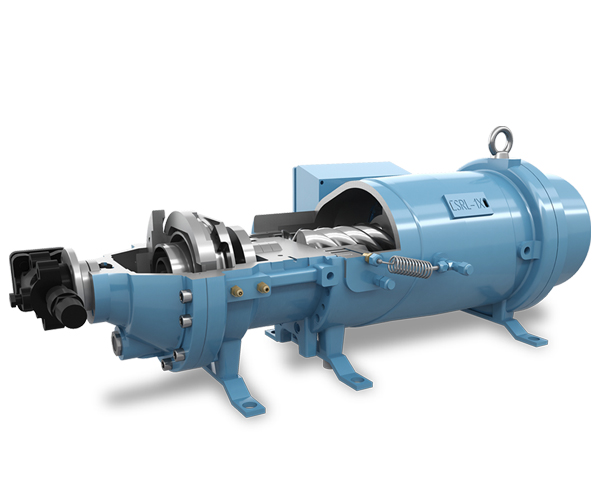
The answer from the Fusheng SST Series screw refrigerant compressor is to integrate two-stage compression into one airend: a pair of screws for the low-pressure stage, a pair of scrolls for the high-pressure stage, driven directly by a synchronous motor, covering a displacement of 100–170 m³/hr and supporting R22, R404A and R507 refrigerants. Completing two-stage compression in a single machine is its most distinctive feature.
Every step up in the pressure ratio raises the discharge temperature. When single-stage compression has to span a very large pressure ratio, the discharge temperature may exceed the safe range, degrading lubricant performance and worsening rotor thermal deformation, leaving real long-term risks. By splitting the pressure ratio into two steps, two-stage compression lets each stage work under gentler conditions and is the safer route for low-temperature systems. The problem is that a traditional two-stage scheme is made up of two separate compressors in series, multiplying the volume, piping and control complexity.
SST's approach is to let the two compression structures each do their job: a screw for the low-pressure stage, which handles suction gas in a large flow, continuously and stably; a scroll for the high-pressure stage, which stays efficient even at a smaller volumetric flow. The ideal match of screw and scroll delivers more efficient and more energy-saving overall performance.
More importantly, the scroll structure solves the screw's leakage triangle problem in the high-pressure section — a single structural difference that directly improves the volumetric efficiency of the high-pressure stage. At the same time, combining the two compression stages within one airend greatly reduces the unit's footprint, freeing up space in the machine room.
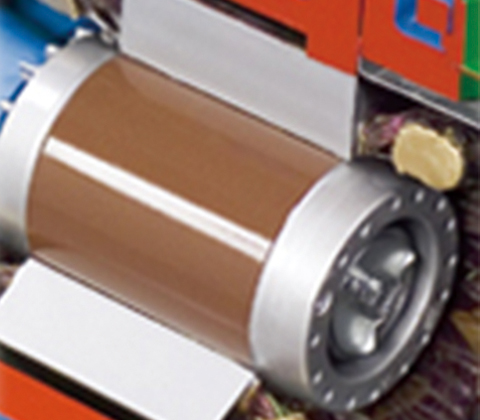
SST uses synchronous motor direct drive. Eliminating the intermediate transmission link reduces losses in the energy transfer path and removes a component that needs routine maintenance; while the structure is more compact, the coordination of speed and two-stage compression is also easier to make precise. For a refrigeration unit that pursues long-term stability and low maintenance, this is a genuine advantage.
SST includes an economiser port that can effectively improve system performance efficiency. In addition, it can be used with VSD, with a down-frequency operating range of 20–60 Hz and an up-frequency operating range of 20–80 Hz, letting the unit's speed adjust to actual load changes and avoiding wasted energy at part load. A high-efficiency motor ensures the unit reaches higher performance across every application range. For a freezing system whose load is not constant, this combination means more controllable running costs.
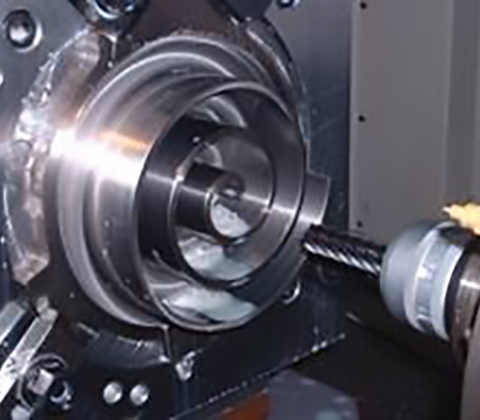
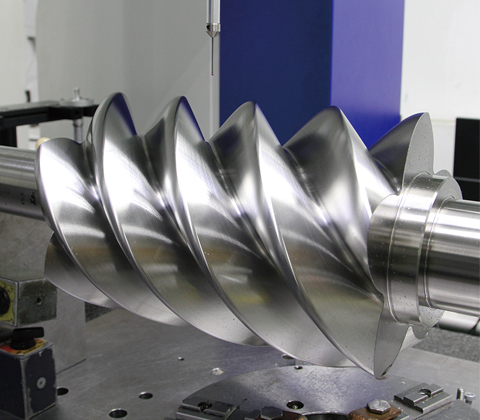
As for the rotors, SST uses the Fusheng 5:6 asymmetric rotor profile, with rotors formed on a British HOLROYD rotor machining centre and German KAPP and KLINGELNBERG precision rotor grinders. The profile and machining precision together determine the unit's volumetric efficiency and smoothness of operation.
| Item | Specification |
|---|---|
| Model | SST Series screw refrigerant compressor |
| Compression structure | Single-unit two-stage (low-pressure screw + high-pressure scroll) |
| Displacement | 100 – 170 m³/hr |
| Refrigerant | R22 / R404A / R507 |
| Drive | Synchronous motor direct drive |
| Rotor profile | Fusheng 5:6 asymmetric profile |
| VSD range (down) | 20 – 60 Hz |
| VSD range (up) | 20 – 80 Hz |
| Economiser port | Supported |
From the specifications, SST's positioning is clear: a displacement of 100–170 m³/hr sits in the mid-to-upper range, and with the single-unit two-stage structure it suits projects that have clear low-temperature requirements while wanting a compact unit and simple control. Coverage of R22, R404A and R507 refrigerants also lets it suit refrigeration systems with different temperature ranges and different environmental requirements.
The technical challenge of low-temperature refrigeration has never been just how cold it can get, but how to keep both efficiency and reliability at low temperature. With its single-unit two-stage structure of a low-pressure screw plus a high-pressure scroll, the SST Series puts the strengths of two compression forms into one airend while cutting down size and control complexity. For users working on a low-temperature freezing scheme, it is an option worth comparing in depth.
| Fusheng 5 | 6 asymmetric rotor profile, machined on HOLROYD rotor machining centres from the UK and finished on KAPP and KLINGELNBERG precision rotor grinders from Germany, then inspected on ZEISS and LEITZ coordinate measuring machines. |
|---|

Give us your working pressure, air demand and site conditions, and we will confirm the model and configuration