
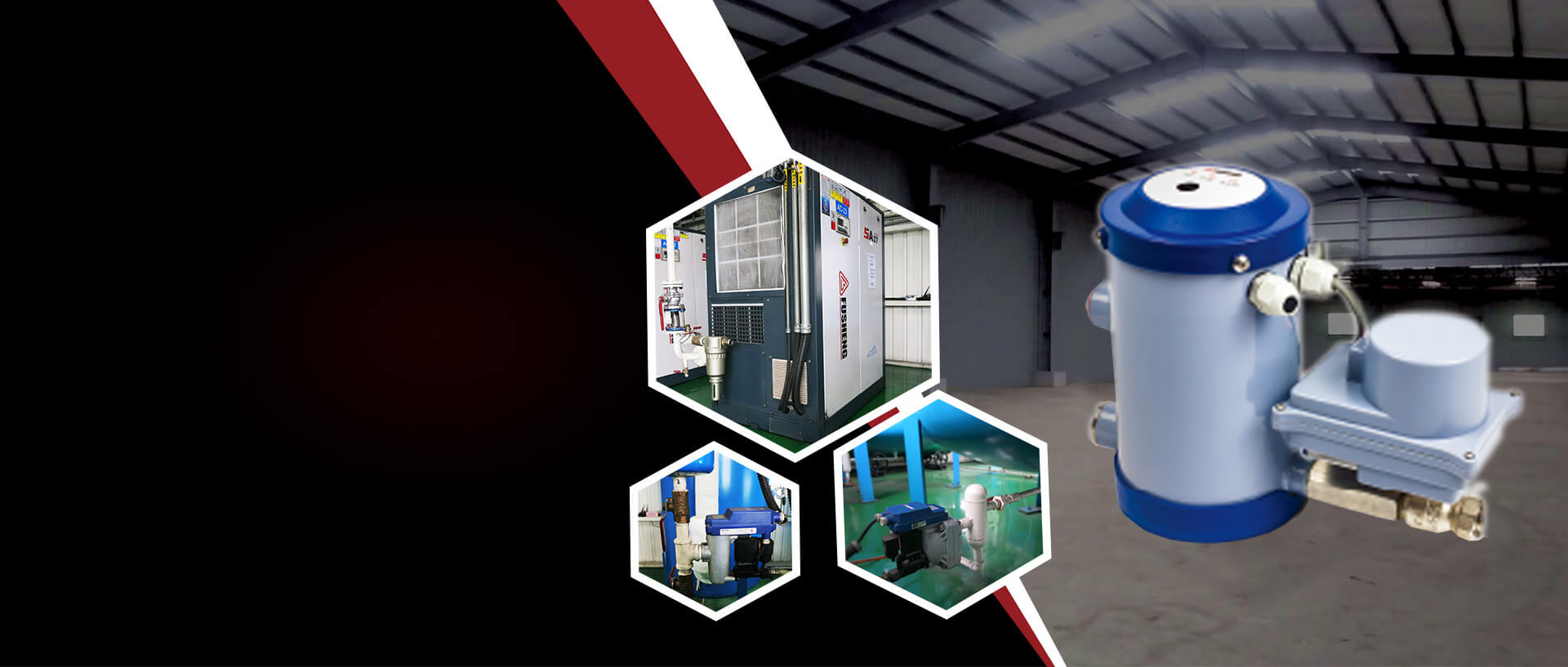
Compressed air inevitably releases condensate in use. If that water is allowed to travel through the system, it corrodes pipework, jams pneumatic valves and contaminates the end product — many equipment failures begin with drainage, the small detail nobody got right.
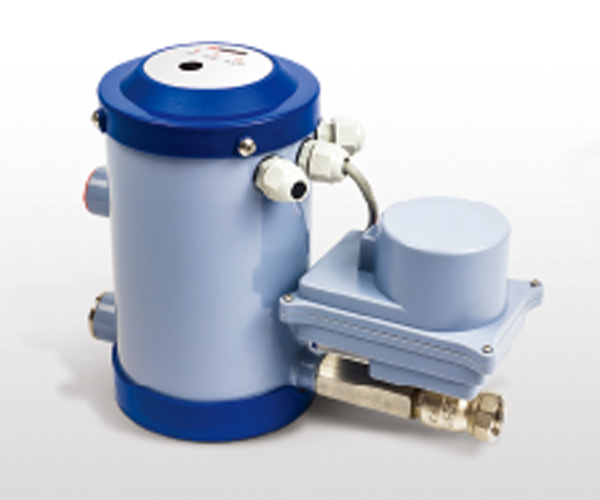
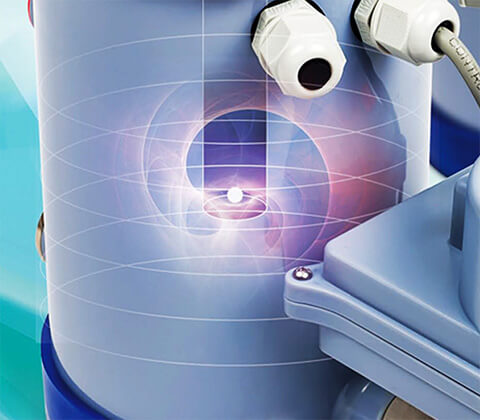
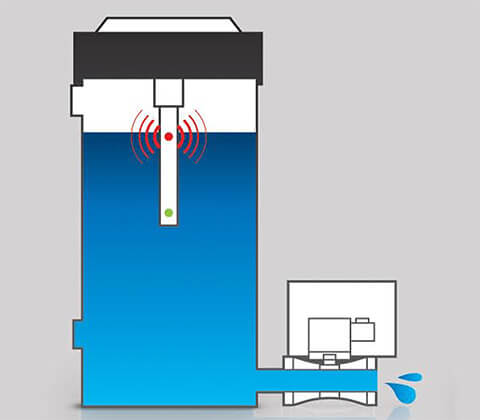
The Fusheng FA series condensate drain (drain valve) covers 1.5~1700m³/min. It uses a capacitive sensor to detect the condensate level and an electronic controller to discharge automatically, leaving the question of when to drain and how much to drain to the level itself.
Condensate forms as compressed air cools, and if it is not drained promptly it spreads through the system with the flow. Water standing in pipework accelerates corrosion, and the scale it produces is carried downstream; pneumatic components, solenoid valves and cylinders misbehave once water gets in; and in spraying, packaging and food applications moisture directly affects the quality of the finished product.
The more hidden cost is energy: a timer-controlled drain valve opens even when there is no water to discharge, blowing off compressed air that has already been paid for in electricity.
Traditional drainage comes in two forms. Manual drainage depends on someone remembering to open the valve, so it is easily missed. Timer drainage works to a fixed interval and discharges whether or not there is water. The FA series takes a different approach: a capacitive sensor detects the condensate level, and the valve drains when the level is reached and stays shut when it is not.
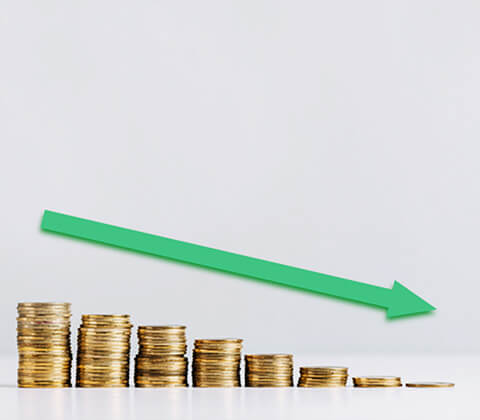
That brings two direct benefits. First, less compressed air is lost, because discharge happens only when necessary. Second, drainage is more timely, so water does not linger in the system. For a plant with heavy air demand, the energy saved by cutting blow-off accumulates continuously.
Discharge on the FA series is controlled electronically, and with an IP65 dust-tight rating the unit works reliably in workshops with heavy dust and high humidity. Compared with mechanical float drains, electronic control reduces the chance of moving parts jamming or clogging, demands less routine maintenance and better matches the expectation of fitting it and forgetting it.
The unit also monitors itself automatically, so no operator needs to be on hand, cutting the labour and energy costs that missed or unnecessary discharges would otherwise cause.
Condensate drains are normally fitted where liquid collects: receivers, refrigerated dryers, precision filters and low points in the piping. Installation should keep the drain outlet clear and avoid back pressure interfering with the discharge action; routine work is limited to periodically checking that the sensor and discharge port are not blocked by debris, so maintenance is light. In a compressor room with several drainage points, units can be installed at each location so that every pocket of water is drained where it forms rather than being dealt with only after it has collected.
| Item | Specification |
|---|---|
| Product type | Automatic condensate drain (drain valve) |
| Flow capacity | 1.5 ~ 1700 m³/min |
| Level detection | Capacitive sensor |
| Control | Electronic automatic control |
| Protection rating | IP65 |
| Operating features | Level-based discharge, fully automatic monitoring, low maintenance |
Drainage is the least conspicuous part of a compressed air system, yet it directly affects air quality and running cost. Using a capacitive sensor and electronic control, the FA series turns timed discharge into discharge on demand, cutting the waste of compressed air and giving condensate no chance to wander through the system. Small components often govern big costs.
| Product Features — Reduced Compressed Air Loss | Discharge triggered by liquid level. Electronic control design rated to IP65. Low maintenance and lower costs, with fully automatic monitoring. |
|---|---|
| Reduced Compressed Air Loss | Discharge triggered by liquid level. Electronic control design rated to IP65. |
| Reduced Compressed Air Loss | Discharge triggered by liquid level. |

Give us your working pressure, air demand and site conditions, and we will confirm the model and configuration