FA Automatic Condensate Drains
FA
Producing compressed air inevitably produces condensate. In most cases th…
Capacity 1.5~1700 m³/min

1 products in this category
Producing compressed air inevitably produces condensate. In most cases th…
Producing compressed air inevitably produces condensate. If this water is not discharged in time, it spreads with the airflow throughout the system: pipe walls corrode, pneumatic valves stick and end products are contaminated. The starting point of many equipment failures is in fact this small matter of drainage done poorly.
There are two common traditional approaches: manual draining, which relies on someone remembering to open the valve and is easily missed; and timed draining, which discharges whether or not there is water. The more hidden problem with the latter is that it also releases air when there is no water, effectively blowing away compressed air that has already been paid for in electricity.
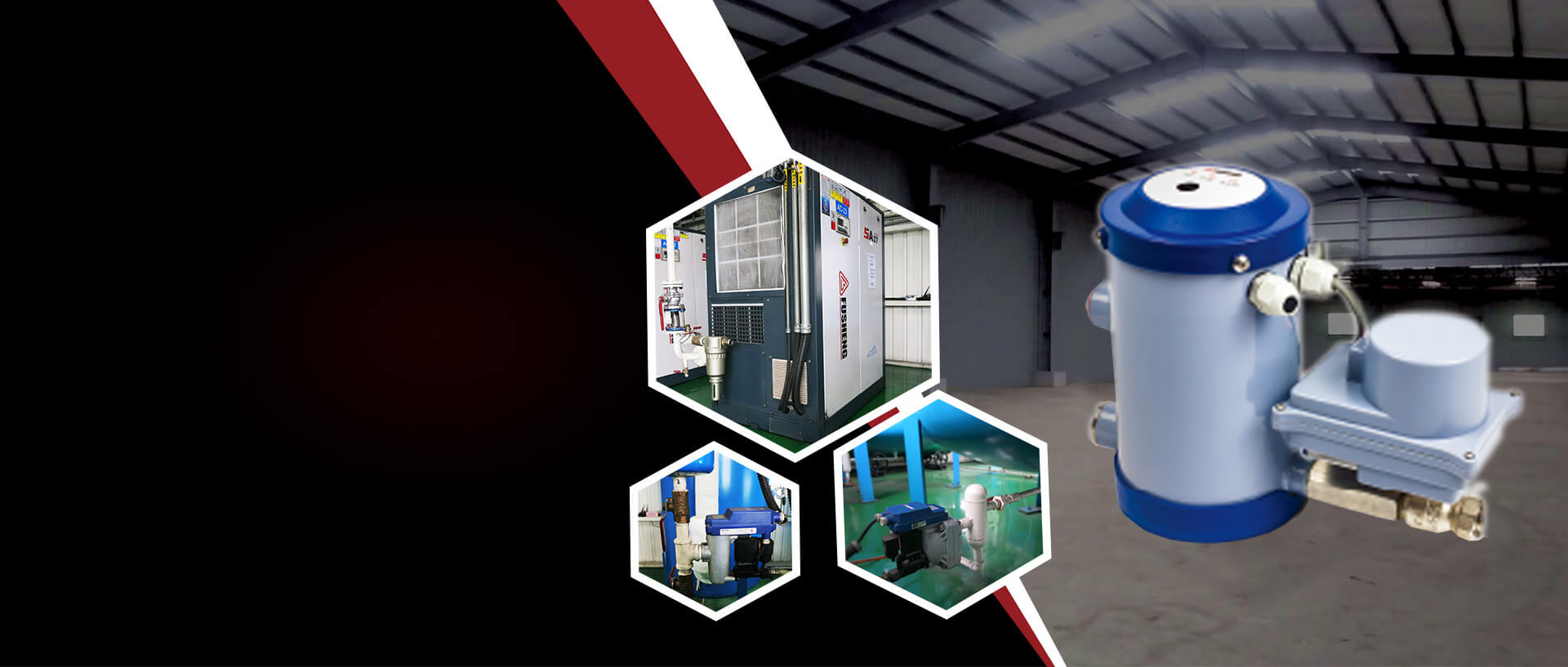
The Fusheng FA Series drain valve uses a capacitive sensor to detect the condensate level, with an electronic unit controlling automatic discharge — it drains when the level reaches the set point and not before. This brings two benefits: first, it reduces compressed air loss, since discharge happens only when necessary; second, drainage is more timely, avoiding water accumulating in the system. Capacity covers 1.5–1700 m³/min, with an electronic control design and IP65 dust protection, able to work steadily in dusty, humid shops, with fully automatic monitoring and low maintenance.
Drain valves are generally installed on air receivers, refrigerated dryers, precision filters and low points of piping where liquid tends to collect. During installation, keep the drain outlet clear and avoid back pressure affecting the discharge action; in daily use, simply check periodically whether the sensor and the drain outlet are blocked by impurities. Where drain points are scattered, configure them by location and drain locally.
Drainage is the least conspicuous link in an air system, yet it directly affects air quality and running cost. The FA turns timed release into on-demand release; a small component often governs a large cost.